
Security
Camera retention and privacy: what Ontario condo boards actually have to get right
Ontario condo corporations do not have a statutory number of days to keep footage. They do have to set a purpose, post notice, limit access, and destroy recordings when they are no longer needed.
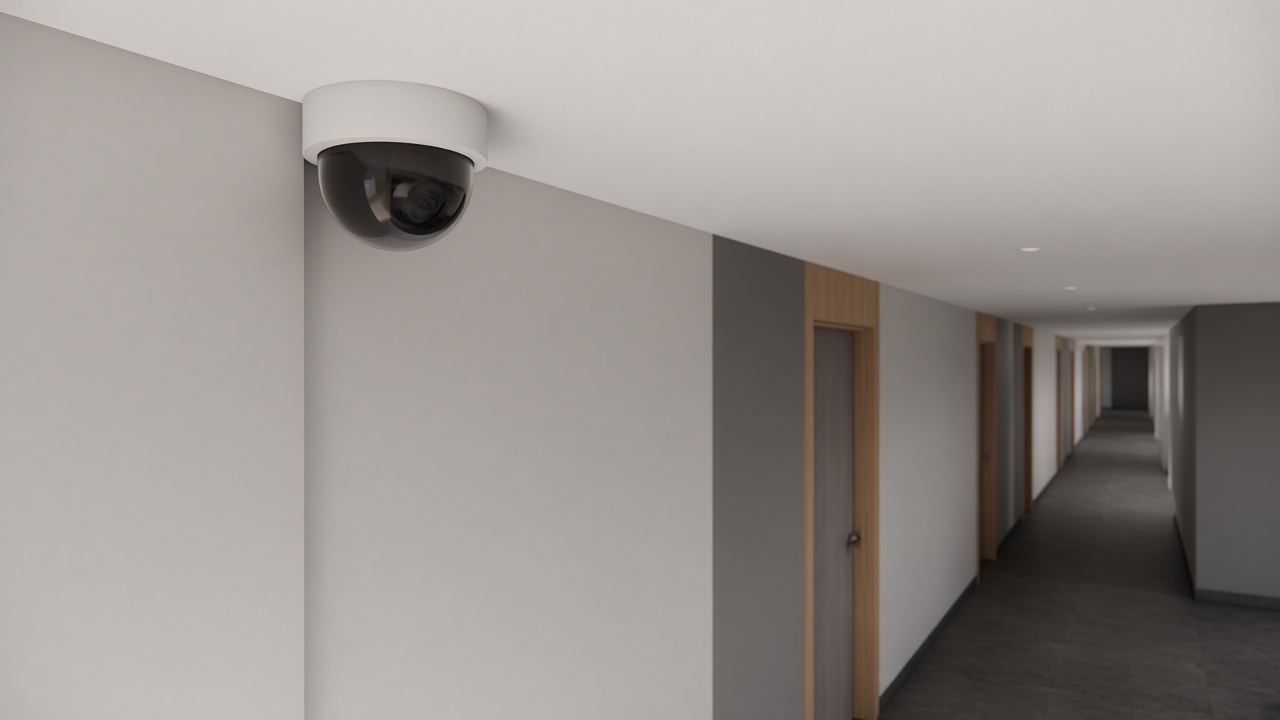
A camera in a condo corridor is ordinary now. A policy for what that camera collects, who can watch it, and how long the footage lives is still unusual. That gap is what gets a corporation into trouble — not the presence of the camera itself.
This is a practical guide for Ontario boards and managers, not legal advice. Privacy law is not one tidy rule about "keep footage for X days." It is a set of duties about purpose, notice, access, security and retention. The details depend on the facts and on counsel. The habits below are the ones you can put in place without waiting for a court to explain them to you.
The law that usually matters is not a 72-hour clock
The Information and Privacy Commissioner of Ontario publishes guidelines for the use of video surveillance. They are written for public-sector institutions that fall under Ontario's access and privacy statutes. They are useful reading. They are not a statutory retention rule for a condominium corporation. The IPC has also noted that Ontario's public-sector laws were amended in 2026 and that some of its guidance is under review, which is another reason not to copy a number out of an old public-sector document and call it your legal requirement.
What does apply more often is federal private-sector privacy law. The Office of the Privacy Commissioner of Canada treats video that can identify a person as the collection of personal information, even in some cases where images are only viewed and not recorded. Its guidelines for overt video surveillance in the private sector set out a short list that maps cleanly onto a condo: decide whether a less intrusive option would do; write a purpose and a policy; limit the field of view; tell people the cameras are there; store footage securely; give people a way to ask about their own images; and destroy recordings when they are no longer needed for that purpose.
The OPC has investigated camera practices in a residential setting before, including a 2007 case involving security cameras at a condominium. The facts will not match yours. The principle will: identifiable footage is personal information, and "we have cameras for security" is the start of a policy, not the whole of one.
Ontario's Condominium Act, 1998 does not prescribe a number of days to keep lobby video. That silence is not permission to keep everything forever, or to invent a retention period on the fly when someone asks for a clip.
Write the policy before you argue about the days
A workable policy is short and specific. It should state:
- Why the cameras exist — typically the safety of people and the security of property, not the routine monitoring of residents.
- Where they are, and that they are not aimed into units, washrooms, change rooms or other places with a high expectation of privacy.
- Whether they record sound. Audio raises separate issues, including under the Criminal Code rules on private communications. If you do not have a specific need to record sound, turn it off.
- Who is allowed to view live or recorded images, and how those views are logged.
- How long unused footage is kept, how incident clips are preserved, and how destruction is done.
- How a resident can ask about footage that includes them, and who answers.
The OPC's guidelines are explicit on retention: keep recordings only as long as necessary for the stated purpose, then destroy them securely. There is no official "Ontario condo number." A board should pick a period it can defend — long enough that a weekend incident can still be reviewed, short enough that you are not operating an informal archive of everyone who walked the corridor — and then apply it. Clips tied to an incident, an insurance claim, a police request or a dispute should be moved into a separate, access-controlled hold so they are not deleted with the ordinary rotation.
Vendors and blog posts sometimes cite a 48- or 72-hour window, borrowing from public-sector practice, or much longer periods borrowed from other provinces. Treat those figures as conversation starters with your lawyer and insurer, not as rules you found in the Condominium Act.
Notice, access and the features that change the risk
Post clear signs before people enter a camera's field of view, and include a contact. Hidden cameras in common areas, even if they feel like a security tactic, work against the transparency these guidelines expect.
Residents can ask for personal information about themselves, which can include footage. Honouring that request, while masking other identifiable people in the same clip, is an operational problem you should solve before the first request arrives. If the only copy lives in a vendor's cloud portal and nobody on the management team can export it, you do not have a workable process.
Special capabilities belong in the policy too. Zoom, night vision, audio, and especially facial recognition or other analytics, change what you are collecting. The federal guidance for businesses that process biometrics is the document to read before anyone turns those features on.
A board can do this month
Commission a simple camera schedule: location, purpose, field of view, whether audio is recorded, where footage is stored, and who can open the system. Adopt a one-page policy, post signs, and set a default retention period with an incident-hold procedure. Ask the vendor, in writing, how a resident access request is fulfilled and how footage is securely destroyed. Then follow the policy you wrote.
Cameras can be a reasonable security measure in a residential building. An ungoverned archive of the hallway is not.